> 90%
Porosity
Interconnected cells keep drainage smooth under suction in NPWT use.

Open-cell polyvinyl alcohol sponge engineered for nasal packing, NPWT dressings and surgical absorbent products. Anhui Liwei Chemical manufactures it with a clean air-foaming process for fast, controlled fluid uptake.
Request a QuotationA dedicated PVA processing base behind every medical PVA foam batch we ship.
Anhui Liwei Chemical Co., Limited specializes in the processing and marketing of polyvinyl alcohol. Since 2010 the company has focused on modified PVA technology and cryogenic ultrafine PVA crushing, and it ranks among China’s top 10 polyvinyl alcohol companies.
Our dedicated PVA sponge project runs an air-foaming production line with an output of 5 m³ of clean medical-grade PVA sponge per day, serving makers of nasal dressings, ear wicks, NPWT sponges and expandable hemostatic products.
Every batch is controlled against chemical and biological indicators — leaching-solution pH of 6.5–7.8, formaldehyde residue below 10 ppm and no skin irritation — so device manufacturers can build finished products on a consistent, well-characterized raw material.
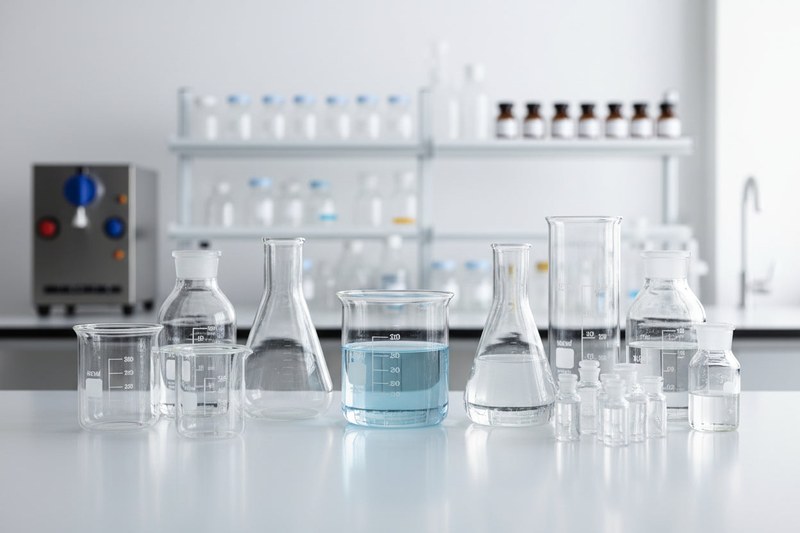
A hydrophilic, open-cell polyvinyl alcohol sponge built for demanding fluid-management roles in medical devices.
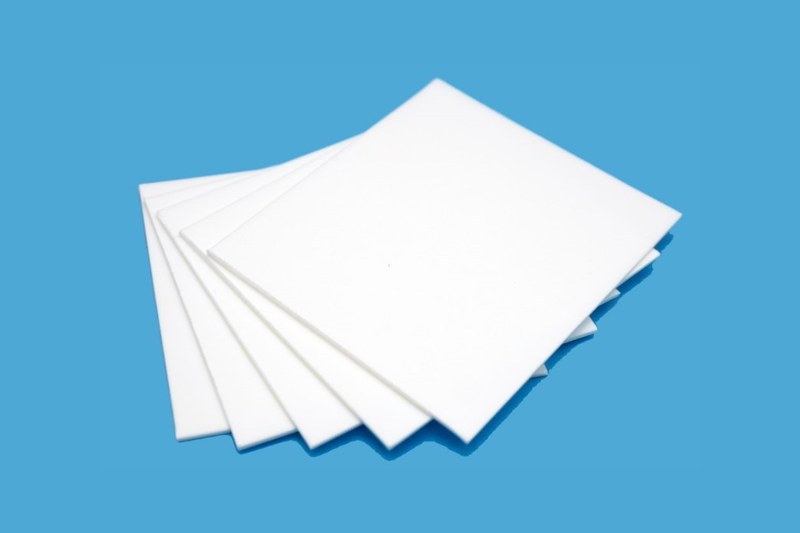
Medical PVA foam is an open-cell polyvinyl alcohol (PVA) sponge produced through a clean gas-foaming process combined with phase-separation technology. Under a scanning electron microscope the pore walls show the round, porous bubble structure characteristic of air-foamed PVA — fundamentally different from sponges made by starch-filling processes.
The result is a pure white, uniform and highly flexible hydrophilic foam that stays soft when wet, wicks fluid in seconds and releases no fibers or lint during use. Pore size, density, flexibility and tensile strength are all well controlled in production, and sheets, blocks and custom-cut profiles can be supplied to match each downstream application.
Key physical, chemical and biological indicators of our medical PVA sponge dressing material.
| Structure | Open-cell polyvinyl alcohol foam |
| Pore size (aperture) | 50–1200 μm |
| Porosity | More than 90% |
| Absorption rate | Less than 10 seconds |
| Dry absorption ratio | More than 15 times |
| Dry density | 0.056–0.10 g/cm³ |
| Elongation at break | Greater than 120% |
| pH of leaching solution | 6.5–7.8 |
| Formaldehyde residue | Less than 10 ppm |
| Skin irritation | None |
| Supply forms | Sheets, blocks and custom-cut profiles for ENT, NPWT and surgical applications |
From ENT cavities to negative-pressure wound therapy, medical PVA foam handles absorption, compression and drainage.
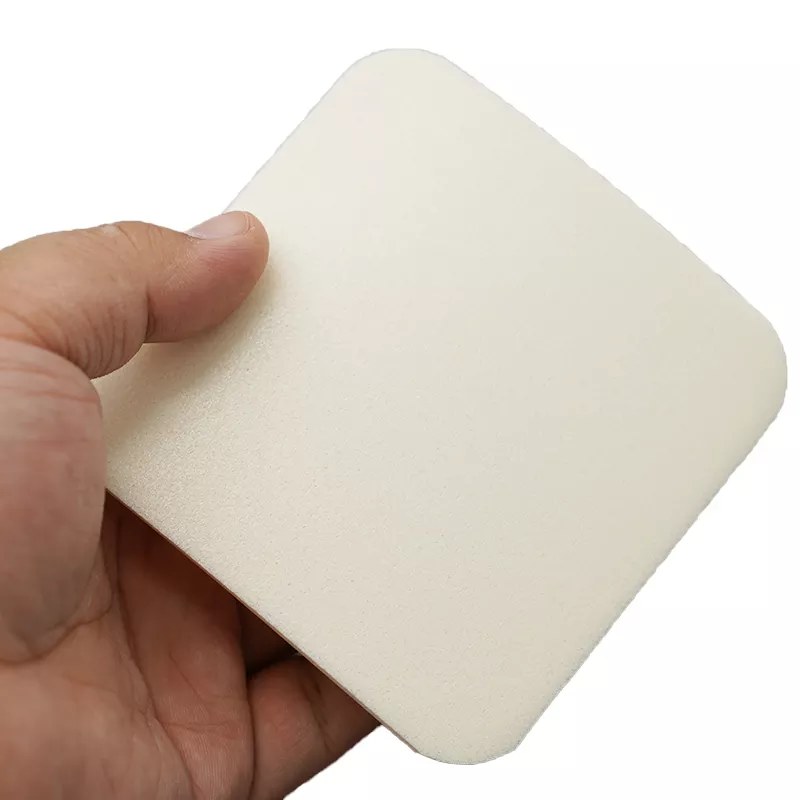
Nasal packing dressings and ear wicks made from medical PVA foam expand quickly on contact with blood or secretions, providing even, gentle compression to control epistaxis and support nasal cavities after surgery.
In NPWT (VAC) dressings, PVA foam distributes suction evenly across the wound bed, drains exudate through its interconnected pores and keeps the wound interface smooth throughout therapy.
Absorbent PVA sponges keep the operative field clear by absorbing blood and fluids, support organs and tissues during procedures, and fill cavities — including ophthalmic spears and expandable hemostatic sponges.
Measured indicators behind the material’s behavior in real clinical workflows.
A dry sponge wicks fluid across its full thickness in under ten seconds, keeping operative fields and dressing interfaces clear.
Interconnected cells keep drainage smooth under suction in NPWT use.
Aperture is tuned to the target absorption speed and compression behavior.
The foam takes up more than fifteen times its own dry weight, reducing the volume of material needed per procedure.
A clean air-foaming route that defines the cell structure and the cleanliness of the finished sponge.
PVA resin is dissolved in purified water under controlled temperature and ratio to form a uniform base solution.
A clean gas-foaming process creates the uniform, round open-cell structure that defines air-foamed PVA sponge.
Phase-separation technology sets the pore walls and locks in the target density, porosity and softness.
Foam is dried, compressed and cut into sheets or profiles, with chemical and biological indicators checked per batch.
Sealing, storage and shipping arrangements that protect the material from contamination and moisture.
Supplied in 20 kg paper bags, sealed against dust and contamination.
Keeps performance for 2 years stored at around 20 °C in a dry, cool environment.
Transported at room temperature and shielded from moisture, sunlight and compression.
Material stays in its original sealed packaging until processing, preserving cleanliness for downstream conversion.
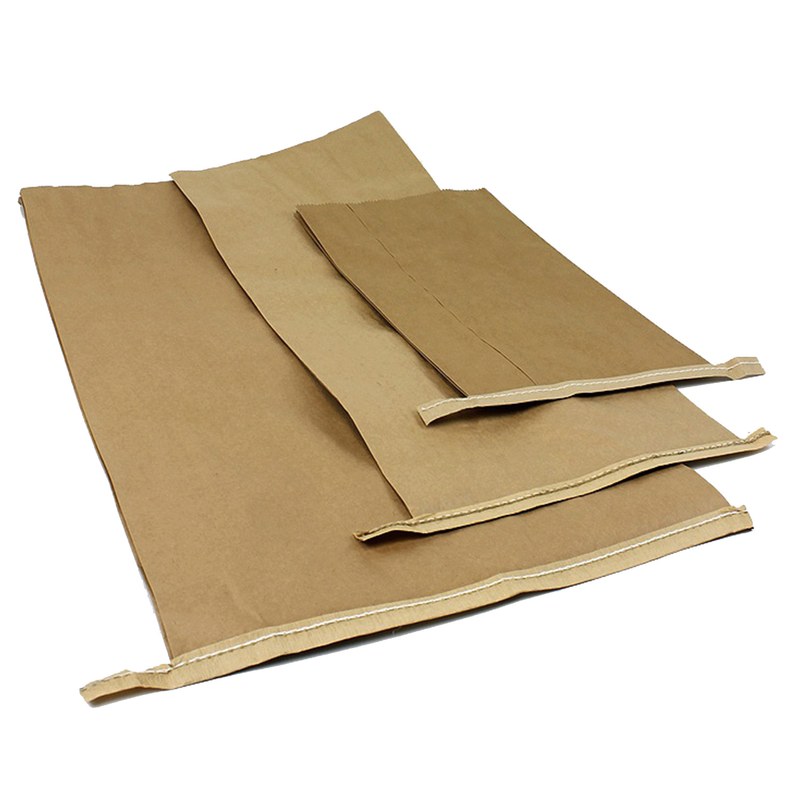
Share your target pore size, dimensions and application, and our sales engineer will get back to you with specifications and pricing.
Scan to chat with Fred Wang on WhatsApp.